
Website designed with the B12 website builder. Create your own website today.
Start for free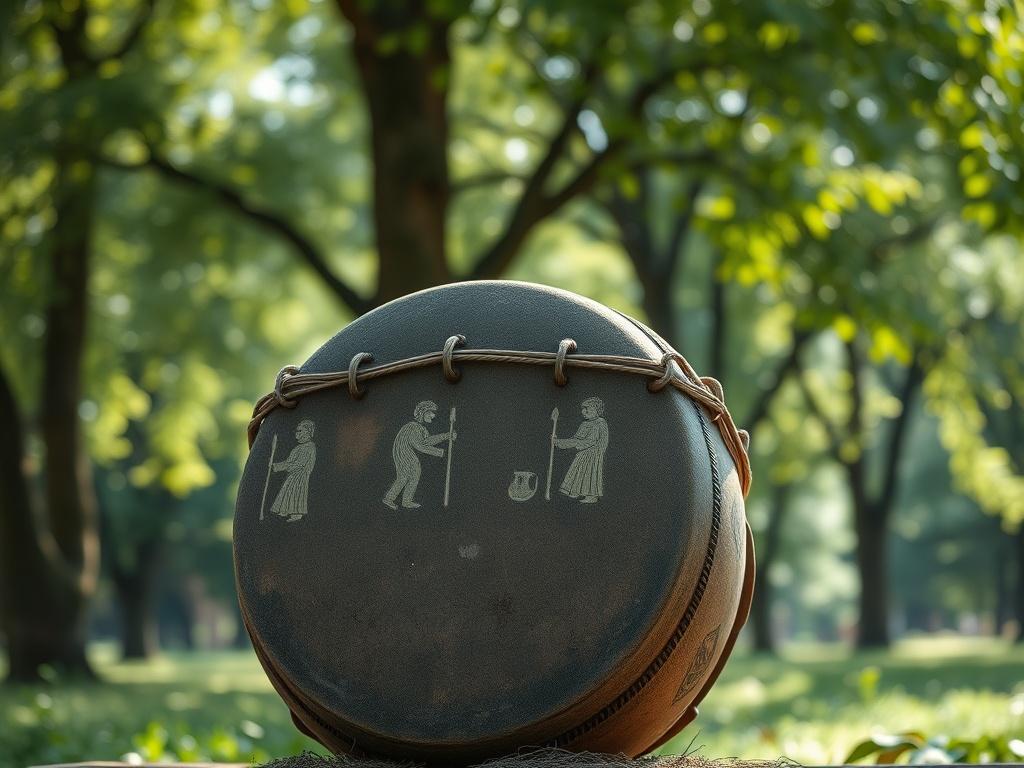
เสียง: รากกำเนิดของชีวิต การรับรู้ และการเยียวยามนุษย์
ในโลกที่มนุษย์ถูกห้อมล้อมด้วยข้อมูล คำพูด และสัญลักษณ์อย่างไม่หยุดยั้ง
เราอาจลืมไปว่า ก่อนที่มนุษย์จะ “เข้าใจโลก” ผ่านภาษา
เรารับรู้โลกผ่าน การสั่นสะเทือน
เสียงไม่ใช่สิ่งที่มนุษย์สร้างขึ้น
แต่มนุษย์ เกิดขึ้นภายในเสียง
เสียงหัวใจของแม่ในครรภ์
คือประสบการณ์แรกของมนุษย์
ก่อนแสง ก่อนภาพ ก่อนความหมาย
เสียงคือสื่อแรกที่หล่อหลอมระบบประสาท
และเป็นสะพานเชื่อมระหว่างร่างกาย อารมณ์ และจิตสำนึก
ก่อนภาษา ก่อนอักษร ก่อนศาสนา
เสียงคือภาษาดั้งเดิมของการมีอยู่
ก่อนที่มนุษย์จะมีคำว่า “ฉัน” หรือ “เธอ”
ยังไม่มีเส้นแบ่งระหว่างตัวตนกับโลก
การรับรู้เกิดขึ้นผ่าน
จังหวะ
ความถี่
การสั่น
และความเงียบระหว่างเสียง
เสียงฝน
เสียงลม
เสียงสัตว์
เสียงกลอง
เสียงร้อง
ทั้งหมดคือภาษาที่ไม่ต้องแปล
แต่ “รู้สึกได้ทันที”
ในระดับชีววิทยา
สมองมนุษย์พัฒนาความสามารถในการรับเสียง
ก่อนการมองเห็นรายละเอียด
เพราะเสียงคือสัญญาณของความปลอดภัยหรืออันตราย
นี่คือเหตุผลที่เสียง
มีพลังต่ออารมณ์มากกว่าคำพูดเสมอ
เสียงในอารยธรรมโบราณ: เทคโนโลยีทางจิตวิญญาณของมนุษย์
ในอารยธรรมโบราณ
เสียงไม่เคยถูกมองว่าเป็น “ศิลปะเพื่อความบันเทิง”
แต่เป็น เครื่องมือเปลี่ยนสภาวะจิต
กลองในวัฒนธรรมชนเผ่า
ใช้จังหวะซ้ำ ๆ เพื่อพาจิตเข้าสู่ภาวะทรานซ์
บทสวดในศาสนาพุทธ ฮินดู คริสต์ และอิสลาม
ใช้การสั่นของเสียงเพื่อปรับจิตให้สงบและเปิดรับ
พิธีกรรมรอบกองไฟ
ใช้เสียงเพื่อสร้างสนามพลังร่วมของชุมชน
เสียงคือสิ่งที่
ทำให้มนุษย์ “ออกจากตัวตนแคบ ๆ”
และสัมผัสความเป็นหนึ่งเดียวกับสิ่งที่ใหญ่กว่า
สมอง ระบบประสาท และวิทยาศาสตร์ของเสียง
วิทยาศาสตร์สมัยใหม่เริ่มอธิบายสิ่งที่มนุษย์รู้โดยสัญชาตญาณมานานแล้ว
เสียงคือคลื่นความถี่
และร่างกายมนุษย์คือระบบสั่นสะเทือน
เสียงสามารถส่งผลต่อ
คลื่นสมอง (Alpha / Theta / Gamma)
ระบบประสาทอัตโนมัติ
อัตราการเต้นหัวใจ
การหลั่งฮอร์โมนความเครียด
เมื่อเสียงมีจังหวะและความถี่ที่เหมาะสม
สมองจะลดการทำงานของ Default Mode Network
ซึ่งเป็นศูนย์กลางของการคิดวนซ้ำและการยึดติดตัวตน
ผลที่เกิดขึ้นคือ
ความรู้สึกเป็นหนึ่งเดียว
การรับรู้ปัจจุบัน
ความสงบที่ไม่ต้องพยายาม
นี่คือรากฐานทางชีววิทยาของสิ่งที่เรียกว่า
สมาธิ สมาบัติ ทรานซ์ หรือ Flow
จิตวิทยาการเยียวยา: ทำไมเสียงจึงเข้าถึงบาดแผลลึกได้
ในจิตวิทยาสมัยใหม่ โดยเฉพาะด้าน Trauma
มีความเข้าใจร่วมกันว่า
บาดแผลจำนวนมาก ไม่สามารถเยียวยาด้วยเหตุผลหรือคำพูด
เพราะบาดแผลฝังอยู่ใน
ร่างกาย
ระบบประสาท
ความทรงจำที่ไม่เป็นภาษา
เสียง ดนตรี และจังหวะ
เข้าถึงพื้นที่เหล่านี้ได้โดยตรง
โดยไม่ต้องผ่านการอธิบาย
การเยียวยาจึงไม่ใช่การ “แก้”
แต่คือการสร้างสภาวะปลอดภัย
ที่ร่างกายสามารถคลายการป้องกันได้เอง
ชุมชน เสียง และการเยียวยาร่วมกัน
มนุษย์ไม่ได้เกิดมาเพื่อเยียวยาตัวเองลำพัง
ในอดีต การเยียวยาเกิดขึ้นในวง
วงกลอง
วงไฟ
วงเล่าเรื่อง
เสียงทำหน้าที่เป็น “ตัวประสาน”
ระหว่างปัจเจกกับชุมชน
เมื่อคนจำนวนมาก
หายใจ เคลื่อนไหว และฟังพร้อมกัน
ระบบประสาทจะเกิดการ synchronize
นี่คือการเยียวยาในระดับสังคม
ที่โลกสมัยใหม่แทบไม่มีพื้นที่ให้เกิดขึ้น
ZAMABAAT: การคืนชีวิตให้สมาบัติในโลกสมัยใหม่
ZAMABAAT
ไม่ได้พยายามย้อนกลับไปหาอดีต
แต่หยิบแก่นแท้ของภูมิปัญญามนุษย์
มาวางไว้ในบริบทปัจจุบัน
เสียง ดนตรี การเคลื่อนไหว ความเงียบ
และการอยู่ร่วมกัน
ถูกออกแบบให้เป็น “พื้นที่เปลี่ยนสภาวะ”
ไม่ใช่เพื่อหนีโลก
แต่เพื่อกลับมาอยู่กับโลกอย่างมีสติ
การกลับมาฟัง ในโลกที่ไม่เคยเงียบ
ในโลกที่เสียงดังขึ้นทุกวัน
มนุษย์กลับฟังตัวเองน้อยลง
ZAMABAAT
ไม่ได้เสนอคำตอบ
แต่เสนอพื้นที่
พื้นที่ที่เสียง
จะพาเรากลับมารับรู้
ว่าเรายังมีชีวิต
ยังรู้สึก
และยังเชื่อมโยงกับกันและกันได้
บางทีการเยียวยาที่แท้จริง
อาจไม่ใช่การเพิ่มอะไรเข้าไป
แต่คือการ ถอดเสียงรบกวนออก
จนเราได้ยินเสียงภายในอีกครั้งเสียง: รากกำเนิดของชีวิต การรับรู้ และการเยียวยามนุษย์In our fast-paced world, where humans are constantly surrounded by a barrage of information, words, and symbols, we often overlook a fundamental aspect of our existence: sound. Long before we began to comprehend the world through language, we experienced it through vibrations. Sound is not merely a phenomenon created by humans; rather, it is the very essence in which humanity was born. From the gentle thrum of a mother's heartbeat in the womb to the powerful echoes of nature surrounding us, sound serves as the original language of existence, shaping our nervous systems and forming connections between our bodies, emotions, and consciousness.
This blog post explores the profound relationship between sound and life, tracing its roots as a foundational element of human awareness and healing. We will delve into the significance of sound in ancient civilizations, where it was viewed not just as art for entertainment but as a transformative tool for spiritual connection and healing. We will also examine the modern scientific and psychological perspectives that underscore sound’s potential to facilitate healing and promote tranquility in our daily lives. Join us on this journey to rediscover the vital role sound plays in shaping our minds, fostering connection, and nurturing our well-being.
Sound: The ancient origin of life and perception
Sound serves as the primal medium through which humans experience and understand the world around them. Long before the advent of language, our ancestors perceived their environment through vibrations. The heartbeat of a mother, experienced during gestation, represents humanity’s first auditory encounter—a profound initiation into existence. This primordial sound, preceding light and imagery, shaped our neural systems and laid the groundwork for emotional and cognitive development. Through the language of sound, we learn to connect with our own bodies and the world, immersing ourselves in rhythms, frequencies, and the silence that resides between notes.
As human beings, we instinctively react to sound, using it as a foundational tool for survival and connection. Biologically, our brains developed the capacity to discern sounds long before we honed our visual faculties, making auditory perception a key element in recognizing safety or threats. This innate understanding of sound impacts our emotional states far more deeply than spoken language ever could. Thus, sound transcends mere communication; it becomes a language of existence that binds us to our environment and fellow beings, reminding us that we exist not in isolation but as part of a greater whole.
Sound in ancient civilizations: Tools for connecting spirit and healing
In ancient civilizations, sound played a critical role in spiritual practices and community bonding. Rather than being merely an art form for entertainment, sound served as a powerful tool for altering consciousness. Drumming in tribal cultures utilized repetitive rhythms to induce trance states, allowing individuals to access deeper layers of their psyche. Chanting in various religious traditions, such as Buddhism, Hinduism, Christianity, and Islam, harnessed the vibrations of sound to calm the mind and foster an openness to spiritual experiences. These practices showed that sound could transform the inner world and help individuals connect with something greater than themselves.
Ceremonies around communal fires often incorporated sound as a means of creating a shared energetic field among participants. When a group collectively engages in sound-making—be it through drumming, singing, or chanting—their nervous systems synchronize, fostering a sense of connectedness and unity. This ancient understanding of sound as a connector not only helped individuals confront their own inner struggles but also facilitated collective healing. In a world increasingly driven by isolation and individualism, recognizing the power of sound to bridge the gap between self and community offers vital lessons for modern life. Such insights remind us that the age-old practices of sound and rhythm can still be potent tools for spiritual and emotional well-being today.
Science and psychology of sound: Pathways to healing and tranquility in everyday life
Modern science begins to unravel the profound relationship between sound and human experience by examining its biological underpinnings. Research shows that sound is a series of vibrations that affect the human body on a cellular level. As the brain processes these vibrations, it alters brain wave patterns, impacting states of consciousness, emotions, and even physiological responses. For instance, rhythmic sounds, such as drumming or gentle melodies, can lead to relaxation by reducing stress hormone levels and calming the autonomic nervous system. This biological response to sound provides a foundation for understanding how music and auditory experiences can shift our mental states, promoting tranquility and healing.
ating spaces that foster awareness and connection, allowing the body to find its own path to healing through the resonance of sound.