
Website designed with the B12 website builder. Create your own website today.
Start for free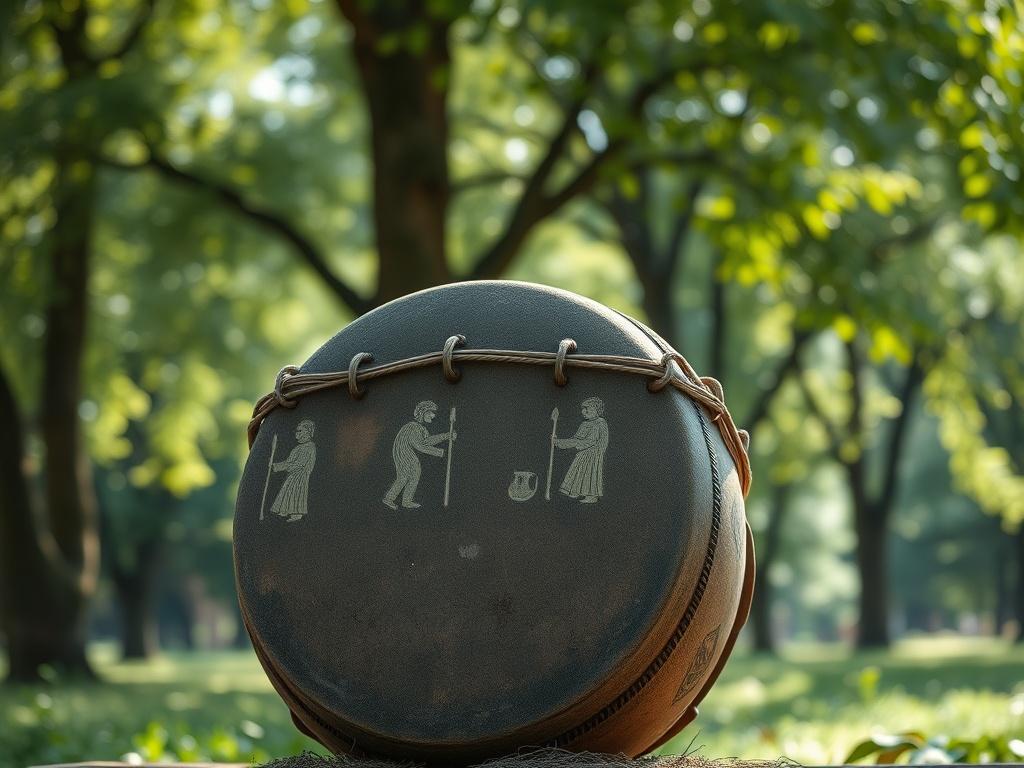
In a world saturated with words and symbols, the essence of human connection and healing often lies in the power of sound. Before spoken language, before written texts, and long before the advent of religion or scientific theories, humanity's first form of communication was through sound. This primal mode of expression—the heartbeat, the breath, the rhythm of drums, and the whispers of nature—created a profound link among individuals and with the unseen forces surrounding them. Sounds emerged not merely as entertainment but as a spiritual technology, a means to heal and connect deeply with the self and the universe.
Exploring these ancient traditions reveals a tapestry woven with the threads of communal experiences. From indigenous rituals that use drums to guide consciousness into trance states, to monks and yogis chanting to align the mind, sound has always played a crucial role in our collective psyche. As scientific research increasingly validates these practices, we witness a resurgence of interest in sound and its ability to foster healing and self-awareness. In this blog post, we dive into the historical significance of sound, its role in ancient civilizations, and how it can serve as a transformative tool for modern society, allowing us to reconnect with our inner selves in an increasingly noisy world.
Before words: Exploring the origins of sound that reflect emotions and life
From the dawn of humanity, long before we coined words and developed languages, sound served as the primal language of our existence. The rhythm of our heartbeats and the gentle cadence of our breath formed a natural symphony, connecting us to ourselves and the world around us. These sounds conveyed emotions that transcended verbal communication, allowing early humans to share their joys, fears, and sorrows through merely listening and feeling. It was within this audial tapestry that the roots of connection began, where each vibration echoed the essence of being alive and created an understanding that went beyond words.
In this pre-linguistic era, sound emerged not just as a means of expression, but as a powerful tool for healing and connection. Ancient civilizations harnessed the potency of sound through rituals, drumming, and chants, using them to tap into the unseen energies that permeated their environments. Shamanic practices often employed drums to transport practitioners into trance states, fostering deeper connections to their inner selves and the spiritual realm. Thus, even before the advent of written language, sound encapsulated a profound understanding of our existence, underlining its importance in emotional expression and communal bonds, and laying the groundwork for the healing practices we explore today.
Before we had written language: Sound and connection on the path to healing
Throughout history, sound has served as a profound medium for human connection and emotional expression. Before the advent of written language, people relied heavily on vocalizations, rhythms, and melodies to communicate their feelings and experiences. This reliance on sound extended beyond mere words; it forged bonds within communities, allowing individuals to share joy, sorrow, and sacred moments. Ancient cultures recognized the power of sound as a vehicle for healing and spiritual connection, using it to bridge the gap between the physical and the unseen. By participating in rituals involving drumming, chanting, and communal singing, individuals found solace and unity, fostering a sense of belonging that transcended individual experiences.
As we explore the landscape of healing practices rooted in sound, we discover that this connection runs deeper than just emotional expression; it taps into the very fabric of our existence. The voices of shamans, healers, and spiritual leaders have echoed through time, leveraging the transformative power of sound to induce altered states of consciousness and promote wellness. Scientific studies now validate what many cultures have intuitively understood: sound can influence our mental and physical states. As we engage with musical elements, we activate frequencies that resonate with our bodies, calming stress responses and enhancing our overall well-being. Embracing sound as a healing tool invites us to reconnect with ourselves and our environment, laying the groundwork for holistic healing practices that acknowledge the intricate link between sound, emotion, and community.
Sound in ancient civilizations: a tool that is not just entertainment but a spiritual technology
Sound has served as a vital tool in ancient civilizations, transcending mere entertainment to become a fundamental aspect of spiritual practice and healing. From the rhythmic beat of drums used by indigenous tribes to facilitate trance-like states, to the sacred chants and mantras of monks and yogis seeking deeper consciousness, ancient cultures understood the profound impact of sound on the human psyche. This understanding shaped how communities connected with one another and engaged with the unseen forces of existence. By harnessing the power of sound, these civilizations created shared experiences that fostered emotional healing and spiritual awakening, ultimately revealing the essential nature of our existence long before written language emerged.
In exploring the role of sound in these ancient traditions, we can see its significance as a communal bond that brought people together in collective consciousness. The gathering around fires, the telling of stories, and the communal singing or drumming helped cultivate a sense of belonging, allowing individuals to experience safety and unity. This environment of connection served as a form of social healing, healing the individual not solely through personal introspection, but through the shared human experience. As modern society grapples with feelings of alienation and disconnection, revisiting these ancient practices can illuminate paths to emotional wellness and collective resilience, reminding us that sound has always been a powerful catalyst for healing and connection.